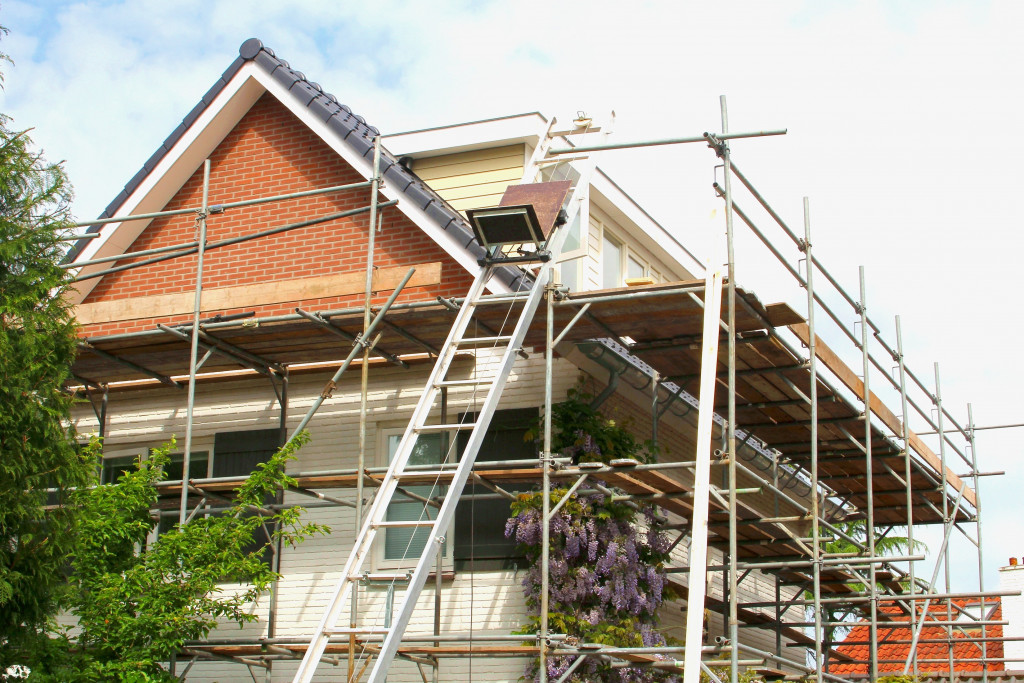
The landscape of American housing is undergoing a significant transformation. For decades, the trend favored the nuclear family, with small, detached houses serving as the standard for suburban life. However, a combination of rising living costs, a desire for closer family ties, and the need for elder care has brought the multi-generational household back to the forefront. These homes, often housing three or more generations under one roof, require a thoughtful approach to design that balances shared experiences with the necessity for individual privacy. Building for the future means creating a space that adapts to the changing needs of every family member, from toddlers to grandparents.
The Financial Foundation of Shared Living

When a family decides to merge multiple households into one, the first hurdle is almost always financial. Coordinating the resources of different generations can be complex, especially when existing properties need to be sold to fund the new venture. It is common for adult children and their aging parents to pool their equity to afford a larger, more versatile property. This often requires a specialized look at how a shared mortgage might work for the group. Lenders have become increasingly accustomed to these arrangements, offering products that account for multiple co-borrowers. Establishing a clear financial agreement between family members is a vital first step, ensuring that everyone understands their equity stake and their ongoing responsibilities for the property’s upkeep and taxes.
Beyond the initial purchase, families must consider the long-term tax implications and estate planning associated with joint ownership. Bringing in a financial advisor early in the process helps prevent future disputes. It also allows the family to set a realistic budget for the construction or renovation phase. Many families find that by sharing a single large residence, they can reduce their individual monthly outflows significantly, allowing for a higher quality of life and more robust savings for the future. This financial synergy is one of the primary drivers behind the current surge in multi-generational architectural designs.
Selecting a Visionary Partner for Construction
Once the budget is set, the focus shifts to finding a professional who can translate a complex set of needs into a physical structure. Designing a home for eight people with varying mobility levels is vastly different from building a standard four-bedroom house. It is essential to partner with a seasoned custom home builder who has specific experience in universal design and multi-unit configurations. Such a professional understands the nuances of creating separate entrances, soundproofed walls, and kitchens that are accessible to everyone, regardless of height or physical ability. They act as the conductor for a massive orchestra of tradespeople, ensuring that the unique requirements of a multi-generational layout do not get lost in the shuffle of a busy construction site.
The relationship between the family and the construction lead is pivotal. A good builder will listen to the concerns of the eldest members of the household just as closely as they listen to the primary homeowners. They can suggest innovative ways to include “flex rooms” that might serve as a nursery today but could become a main-floor master suite in twenty years. This type of forward-thinking planning is what separates a standard residence from a truly future-proofed environment. By prioritizing flexibility from the very beginning, the family ensures that the house remains functional and comfortable for decades to come, even as the people living within it grow and change.
The Architecture of Privacy and Connection
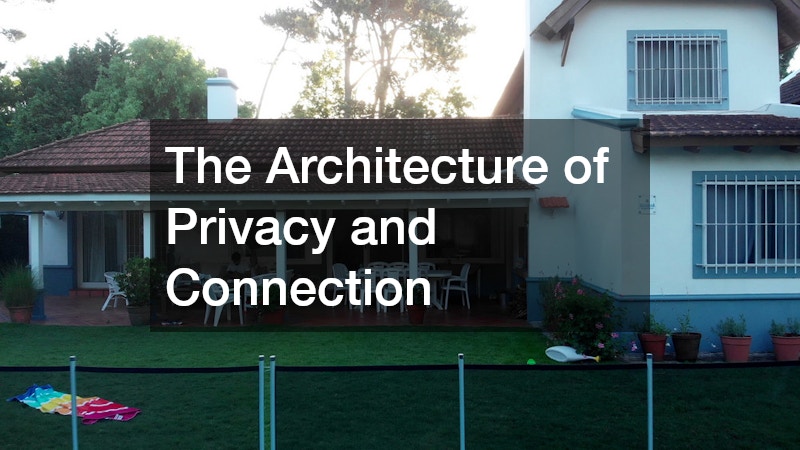
The core challenge of multi-generational living is the “push and pull” between social interaction and the need for solitude. Successful custom homes in this category often utilize a hub-and-spoke layout. In this model, large common areas like a gourmet kitchen and an expansive living room serve as the central hub where the family gathers for meals and holidays. Radiating away from this center are the private quarters or “spokes.” These areas are often designed as self-contained suites, sometimes featuring small kitchenettes and private sitting rooms. This allows a grandmother to enjoy her morning tea in peace while the chaos of school preparation happens in the main part of the house.
Soundproofing is another critical but often overlooked element of these designs. Using staggered-stud walls and specialized insulation can prevent the noise of a teenager’s video games from disturbing a sleeping infant or a working professional in an adjacent suite. Architects also look for ways to create outdoor spaces that mirror this interior logic. A large deck might be the site for family barbecues, but small, private balconies or garden nooks attached to individual suites provide the necessary escapes that make living together sustainable over the long term. When everyone has a place to retreat, the time spent together becomes a choice rather than a constant obligation.
Protecting the Exterior Envelope
While the internal layout is vital for daily harmony, the exterior of the house must be built to withstand the passage of time with minimal maintenance. Large families are busy, and the last thing a multi-generational household wants is to spend every weekend on ladders performing repairs. This is where the expertise of a professional siding contractor becomes invaluable. Selecting high-durability materials like fiber cement or advanced composites can protect the structure from moisture, pests, and fire. These materials offer the aesthetic appeal of traditional wood without the constant need for scraping and painting.
Choosing the right exterior finish is also about thermal performance. Modern siding systems include integrated insulation layers that help regulate the interior temperature of the home. In a large house with many occupants, keeping energy costs under control is a major priority. A well-installed exterior envelope reduces the strain on the heating and cooling systems, contributing to a more comfortable environment for everyone. It also adds a layer of acoustic insulation, further helping to keep the interior quiet by blocking out street noise and neighborhood distractions. Investing in high-quality exterior protection is a classic example of spending more upfront to save significantly on labor and energy costs down the road.
Creating Accessible and Secure Points of Entry

Accessibility starts at the front door. For a home to truly serve multiple generations, it must be easy to navigate for those with strollers, grocery bags, or wheelchairs. This often involves a professional door installation that prioritizes wide clearances and low-profile thresholds. A standard thirty-two-inch door is often too narrow for easy passage with mobility aids; increasing this to thirty-six inches makes a world of difference. Furthermore, incorporating smart locks and video doorbells allows elderly family members to see who is at the entrance and grant access without having to walk to the door, enhancing both convenience and security.
The style of the entry points also plays a huge role in the home’s curb appeal. A grand front entrance can be complemented by discreet side entrances that lead directly into the private suites. These secondary entries allow different branches of the family to come and go according to their own schedules without disturbing the rest of the household. When these doors are chosen to match the architectural theme of the house, they don’t look like an afterthought; they look like a deliberate part of a sophisticated, multi-faceted design. Proper sealing and high-quality hardware ensure that these doors remain energy-efficient and easy to operate for family members of all ages and strength levels.
Precision Climate Control for Diverse Needs
Comfort is subjective, and in a house with several generations, the “perfect” temperature is often a point of contention. Seniors may feel the cold more acutely, while younger family members might prefer a much cooler environment. To solve this, modern air conditioning installations for multi-generational homes often utilize multi-zone systems or ductless mini-splits. This allows each suite or zone to have its own thermostat. By decoupling the climate control of the various living areas, the family can avoid the “thermostat wars” that often plague large households.
Beyond mere comfort, high-quality air filtration is a health necessity. Younger children and older adults are often more sensitive to allergens and air pollutants. Advanced HVAC systems can include HEPA filtration and UV light purifiers that keep the indoor air clean and healthy. When planning the mechanical systems of the house, it is also worth considering the placement of the external units. Keeping them away from bedroom windows ensures that the sound of the compressors doesn’t disturb anyone’s sleep. A well-designed climate system is one that operates silently and efficiently in the background, keeping every member of the family comfortable in their own preferred environment.
Ensuring Continuity Through Power Resilience
As homes become more reliant on technology for health monitoring, remote work, and security, the impact of a power outage becomes more severe. For a multi-generational family, a blackout isn’t just an inconvenience; it can be a safety risk, especially if there is medical equipment or temperature-sensitive medication in the house. Integrating whole house generators into the property’s infrastructure provides a critical safety net. These units are designed to kick in automatically the moment the grid fails, keeping the lights, refrigeration, and climate control systems running without interruption.
The peace of mind that comes with a reliable backup power source is immeasurable. It allows the family to shelter in place during severe weather events, knowing they have the power necessary to stay warm and connected. When choosing a generator, it is important to calculate the total load of the house, including all the specialized appliances in the secondary suites. A professionally installed unit can run on the home’s existing natural gas or propane supply, ensuring it is always ready to go when needed. In the context of future-proofing, a generator is one of the most practical investments a family can make to protect their most vulnerable members.
Maximizing Natural Light and Safety
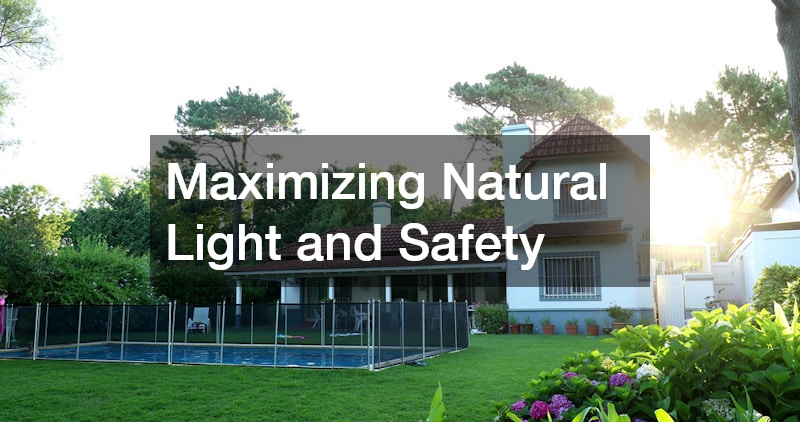
The psychological impact of a home’s interior cannot be overstated. Dark, cramped spaces can lead to feelings of isolation, whereas bright, airy rooms tend to promote a sense of well-being. For seniors who may spend more time indoors, access to natural light is vital for maintaining a healthy circadian rhythm and positive mood. In older homes being retrofitted for multi-generational use, an upgrade involving glass replacement can transform the atmosphere. Installing larger, more energy-efficient windows or adding glass sliders can bring the outdoors in, making even smaller private suites feel much more expansive.
Safety glass is another important consideration in these environments. Using tempered or laminated glass in areas where slips and falls are more likely, such as bathrooms or near floor-level windows, adds an extra layer of protection. Modern glass technology also offers incredible thermal performance, blocking harmful UV rays that can fade furniture and cause rooms to overheat in the summer. By choosing high-performance glazing, the family can enjoy massive windows without sacrificing energy efficiency or comfort. The result is a home that feels connected to the world around it, providing a beautiful backdrop for family life while keeping the interior environment stable and safe.
Understanding the Market Value of Versatility
While the primary goal of building or modifying a home for multiple generations is the immediate comfort of the family, it is also a savvy financial move. As the “sandwich generation” continues to grow, the demand for properties with accessory dwelling units or dual-master suites is skyrocketing. When it eventually comes time to sell or refinance, having these features documented by house appraisal services can lead to a significantly higher valuation than a standard single-family home. Appraisers look for the quality of the “second kitchen” and the independence of the additional living spaces as key indicators of value.
The Path of Ongoing Adaptation
Not every multi-generational journey starts with a brand-new build. Many families choose to adapt the homes they already love to fit their changing circumstances. This path of continuous home improvement allows for a gradual transition as parents age or as adult children move back home. Small changes, such as converting a formal dining room into a main-floor bedroom or adding a walk-in shower to a powder room, can make a home much more functional in the short term. These incremental updates are often more manageable for a family’s budget and allow them to test out different living arrangements before committing to a major overhaul.
However, even small renovations should be approached with a long-term perspective. Using high-quality materials and professional labor ensures that each update adds to the home’s overall integrity rather than creating a patchwork of mismatched styles. The goal is to create a seamless environment where the new sections of the house feel just as permanent and well-considered as the original structure. Whether it’s through a massive construction project or a series of thoughtful updates, the focus remains the same: creating a sanctuary where every generation can thrive. In the end, a multi-generational home is more than just a building; it is a physical manifestation of a family’s commitment to supporting one another through every stage of life. This architectural shift marks a return to a more communal way of living, proving that the best way to design for the future is to look back at the enduring value of the family unit.