
Pregnancy is a major life event, and many new mothers wonder how soon they can get pregnant after giving birth. The postpartum period is a unique time for the body, involving hormonal changes, recovery, and adjustment to breastfeeding. Understanding fertility after childbirth is important for family planning, maternal health, and overall well-being.
This article explores postpartum fertility, factors affecting the ability to conceive, timing considerations, contraceptive options, and tips for preparing your body for another pregnancy. Whether you are planning to expand your family soon or prefer to wait, having accurate information can help you make safe and informed choices.
Understanding Postpartum Fertility
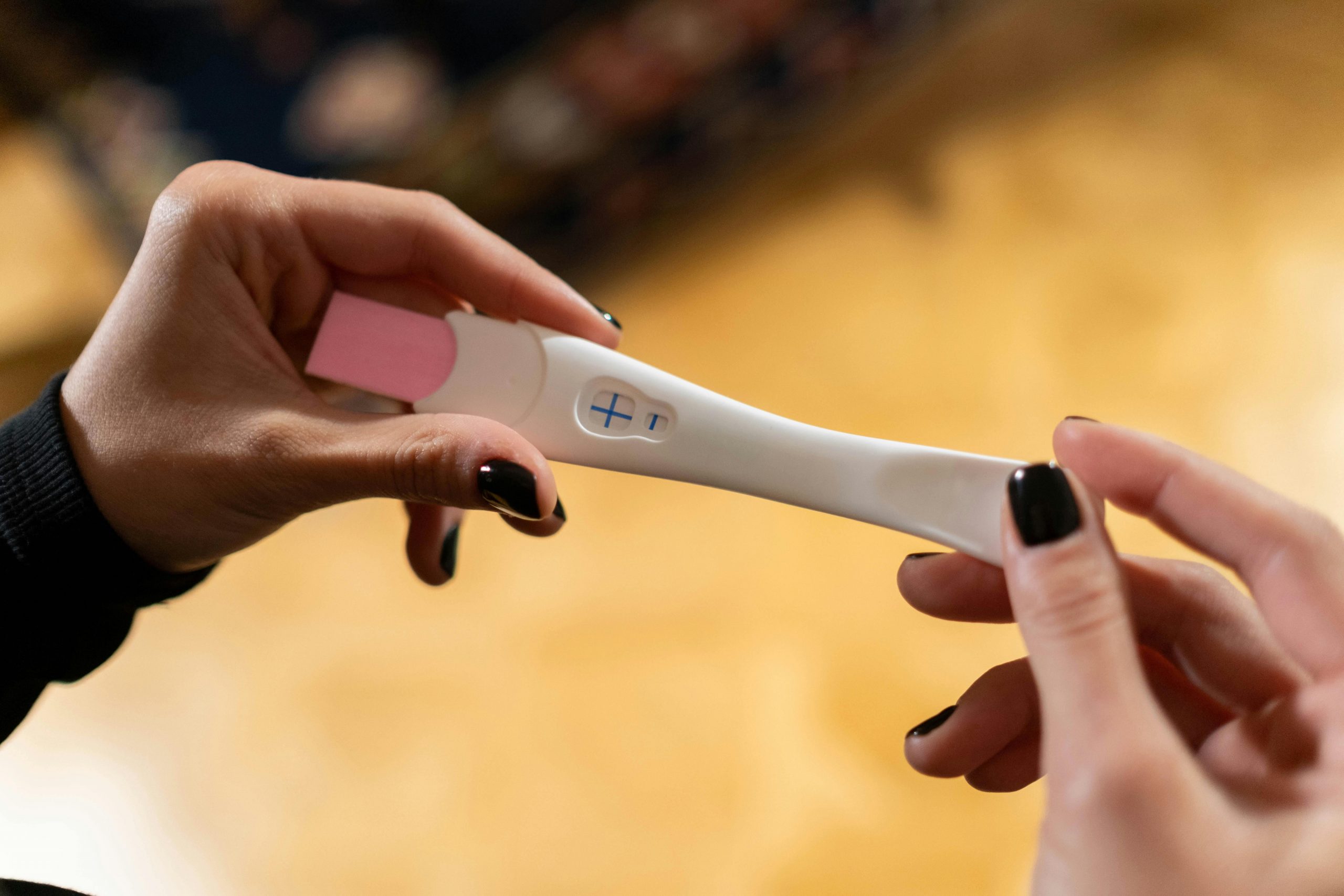
After giving birth, a woman’s body begins a gradual return to its pre-pregnancy state. Key changes affect fertility:
- Hormonal Shifts: Levels of estrogen and progesterone fluctuate, affecting ovulation and menstruation.
- Return of Menstruation: Periods may return within weeks to months after delivery, depending on breastfeeding and individual hormonal patterns.
- Ovulation Before Periods Resume: It is possible to ovulate before your first postpartum period, meaning conception can occur even if your period hasn’t started yet.
Because ovulation can happen before menstruation, it is possible to become pregnant sooner than many women expect, making contraceptive planning important for those not ready for another pregnancy.
Typical Timing of Fertility After Birth
Fertility timelines vary from woman to woman. Several factors influence how soon you can get pregnant:
1. Non-Breastfeeding Mothers
- Ovulation can return as early as 4–6 weeks postpartum.
- Most women resume menstruation within 6–12 weeks after delivery.
- Fertility is generally restored sooner for those not breastfeeding.
2. Breastfeeding Mothers (Lactational Amenorrhea)
- Exclusive breastfeeding can delay ovulation and menstruation due to hormonal suppression.
- Ovulation may return 3–6 months after birth, but this varies widely.
- Partial breastfeeding or supplementing with formula can shorten this delay, increasing the chance of conception sooner.
3. Individual Factors
- Age, overall health, and previous fertility history influence how quickly ovulation resumes.
- Women with certain medical conditions or complications during childbirth may experience delayed fertility.
Signs Your Fertility is Returning
Understanding the signs that your fertility is returning after giving birth can help you make informed decisions about family planning, whether you are trying to conceive again or want to avoid an unplanned pregnancy. The postpartum period brings hormonal shifts, and fertility can resume before your first period. Paying attention to these signals can provide early insight into your reproductive health.
- Return of Menstrual Bleeding: Your first postpartum period may be irregular, heavier, or longer than usual. It’s important to note that ovulation can occur even before your first period, meaning you could become fertile and potentially pregnant without having experienced menstruation yet.
- Changes in Cervical Mucus: Cervical mucus changes are one of the most reliable signs of fertility. Around ovulation, mucus typically becomes clear, stretchy, and slippery—similar in texture to egg whites. This fertile mucus helps sperm travel through the reproductive tract, indicating that ovulation is near.
- Ovulation Symptoms: Some women experience mild physical signs of ovulation, including lower abdominal or pelvic cramping, breast tenderness, and slight bloating. These sensations are often subtle but can serve as useful indicators that fertility is returning.
- Hormonal Symptoms: Changes in hormones may also signal that your reproductive system is resuming its normal cycle. Mood swings, increased libido, and occasional bloating are common postpartum signs that ovulation may be approaching.
Monitoring these signals, along with keeping track of your menstrual cycle and ovulation patterns, can help you anticipate fertility windows. This awareness is particularly important for women seeking to avoid or plan another pregnancy safely. By understanding these natural signs, you can make better-informed choices about contraception, conception, and overall reproductive health during the postpartum period.
Factors Affecting Postpartum Fertility
Several factors influence how soon a woman can become pregnant after childbirth:
- Breastfeeding: Exclusive breastfeeding suppresses ovulation, but not completely.
- Recovery from Delivery: Cesarean sections or complicated deliveries may require longer recovery before conception is safe.
- Nutrition and Weight: Maintaining a balanced diet and healthy weight supports hormonal balance and fertility.
- Stress and Sleep: Postpartum stress, sleep deprivation, and hormonal changes can delay ovulation.
- Age and Fertility History: Women over 35 or those with pre-existing fertility issues may experience a different timeline.
Understanding these factors can help women make informed family planning decisions.
Health Risks of Conceiving Too Soon

Conceiving shortly after giving birth can put both the mother and future baby at higher risk. The postpartum period is a critical time for recovery, and the body needs sufficient time to heal physically and replenish essential nutrients. Understanding these risks can help women make informed decisions about family planning and spacing pregnancies safely.
- Uterine Healing: After childbirth, the uterus undergoes a process called involution, shrinking back to its pre-pregnancy size and healing from any tissue trauma or cesarean incisions. Conception too soon may increase the risk of complications such as uterine rupture, infection, or abnormal placental attachment in the next pregnancy.
- Nutrient Depletion: Pregnancy and breastfeeding deplete vital nutrients like iron, folic acid, calcium, and vitamin D. Closely spaced pregnancies may leave insufficient time for the mother’s body to restore these nutrients, potentially affecting both maternal health and fetal development.
- Preterm Birth Risk: Research shows that conceiving within less than 12 months after giving birth increases the likelihood of preterm birth and low birth weight. These outcomes can lead to long-term health challenges for the baby, including developmental delays and increased susceptibility to illness.
- Maternal Fatigue and Recovery: The physical and emotional demands of early postpartum recovery—sleep deprivation, hormonal shifts, and breastfeeding—can make another pregnancy more taxing. This may increase stress, complicate pregnancy management, and affect overall maternal well-being.
Because of these risks, most health organizations, including the World Health Organization (WHO) and the American College of Obstetricians and Gynecologists (ACOG), recommend waiting at least 12–18 months before trying to conceive again. This interval allows the body to heal fully, replenish nutrients, and reduce the chances of adverse outcomes for both mother and baby.
Spacing pregnancies appropriately is a crucial part of postpartum care, ensuring healthier outcomes for the entire family.
Contraceptive Options After Childbirth
Even if ovulation hasn’t returned, it is possible to get pregnant unexpectedly. Contraception may be important for women not ready for another pregnancy:
- Barrier Methods: Condoms are safe immediately postpartum and provide STI protection.
- Hormonal Options: Progestin-only pills, implants, or injections can be used safely while breastfeeding.
- Intrauterine Devices (IUDs): Can be inserted after delivery, including during the postpartum period.
- Lactational Amenorrhea Method: Exclusive breastfeeding can serve as temporary contraception, but effectiveness decreases with supplementing or irregular feeding.
Consulting a healthcare provider helps choose a method that balances protection, convenience, and breastfeeding considerations.
Preparing Your Body for Another Pregnancy
Planning a subsequent pregnancy after giving birth requires thoughtful preparation to ensure both maternal and fetal health. Taking the right steps can reduce complications, support a healthy conception, and improve overall outcomes for the next baby.
- Balanced Diet: Nutrition plays a critical role in preparing your body for another pregnancy. Focus on foods rich in iron, calcium, protein, and folic acid, which support maternal recovery and fetal development. Incorporating a variety of fruits, vegetables, whole grains, and lean proteins helps replenish nutrients depleted during the previous pregnancy and breastfeeding.
- Exercise: Gentle postpartum exercise is beneficial for restoring strength, improving circulation, and boosting energy levels. Activities such as walking, stretching, yoga, or low-impact workouts help maintain a healthy weight, improve cardiovascular fitness, and reduce stress, all of which contribute to reproductive health.
- Prenatal Vitamins: Starting prenatal vitamins before conception ensures that your body has adequate folic acid and other essential nutrients. This can help prevent birth defects, support the development of the baby’s nervous system, and strengthen maternal health.
- Medical Checkup: Before trying to conceive again, schedule a comprehensive checkup with your healthcare provider. This ensures your body has fully recovered from childbirth, addresses any complications, and provides personalized guidance on timing and preparation for another pregnancy.
- Mental Health: Emotional well-being is just as important as physical health. Managing stress, getting adequate sleep, and seeking support when needed can positively affect hormone balance and reproductive health. Consider counseling, mindfulness practices, or support groups to maintain mental wellness.
By taking these steps, women can prepare their bodies optimally for another pregnancy, improving the chances of a healthy conception and a smooth pregnancy journey. Proper preparation not only supports maternal well-being but also enhances the health and development of the next baby.
Conclusion
Knowing how soon after giving birth you can get pregnant is essential for family planning and postpartum health. Fertility can return quickly, even if periods haven’t resumed, making contraception and careful planning important for women not ready for another pregnancy. By understanding the factors that influence fertility, recognizing signs of ovulation, and preparing your body for future pregnancies, you can make safe and informed decisions.
Whether you plan to expand your family soon or wait longer, consulting a healthcare provider ensures personalized guidance and supports both maternal and infant health. Taking care of your body and mind during the postpartum period sets the stage for healthy pregnancies in the future.