
Noticing that a spouse, child, or aging parent has dropped or gained a significant amount of weight in a short period can be unsettling, especially when there is no obvious explanation. Weight changes are often the body’s way of signaling something deeper, whether physical, emotional, or medical. Understanding the possible causes can help families decide when to simply keep watching and when it is time to get professional input. This article walks through the most common reasons for sudden weight shifts and the resources available to families navigating them.
Unexplained Weight Loss in Adults
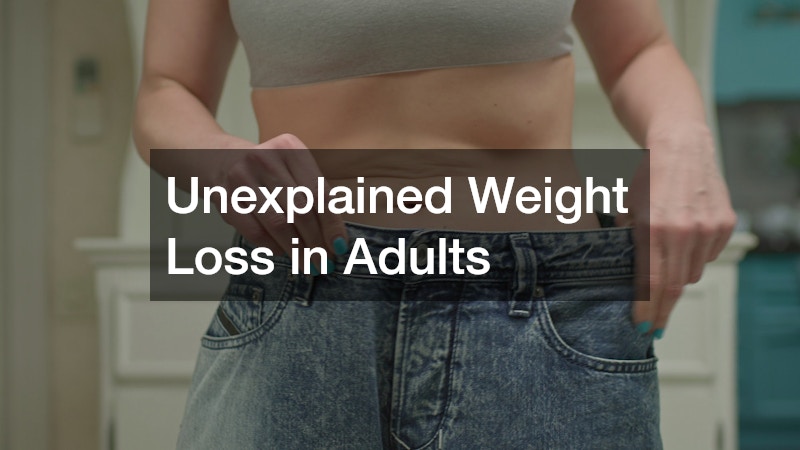 When an adult family member loses a noticeable amount of weight without changing their diet or exercise habits, it is worth paying attention. A common clinical benchmark is losing more than 5% of body weight within six to twelve months without trying — for someone who weighs 160 pounds, that’s roughly 8 pounds. When the loss happens faster than that, or continues without leveling off, it deserves closer scrutiny. Common culprits include thyroid disorders (particularly an overactive thyroid, which speeds up metabolism), undiagnosed diabetes, chronic infections, and digestive conditions like celiac disease or inflammatory bowel disease that interfere with nutrient absorption. Some cancers can also present with unexplained weight loss well before other symptoms appear, which is one reason doctors take this symptom seriously in adults over 50. Medication changes and interactions can play a role too, so it’s worth reviewing any new prescriptions alongside other symptoms. Stress and depression can also suppress appetite significantly, leading to steady weight loss over weeks or months. In these cases, the loss often comes with other changes worth noting, such as low energy, disrupted sleep, or withdrawal from usual activities. Because the causes range from mild to serious, tracking the pattern and timing of the loss is a helpful first step before deciding on next steps. Keeping a simple log of weight, appetite, and any accompanying symptoms — fatigue, fever, digestive changes, or mood shifts — can give a doctor much more to work with than a vague sense that “something seems off.”
Sometimes families discover that a loved one has intentionally pursued weight loss treatments without mentioning it, especially if there was embarrassment about needing help or fear of judgment from others. This might include prescription medications, structured diet programs, or even surgical procedures kept quiet until the results become noticeable. In these cases, the weight loss is usually a relief once it comes to light, though it can still sting if secrecy made someone feel shut out. Other times the weight loss is entirely involuntary and much more concerning. Losing more than 5% of body weight within six to twelve months without trying is generally considered a red flag by doctors, and it can point to issues ranging from thyroid problems and diabetes to depression, gastrointestinal disorders, or in more serious cases, cancer. Look at accompanying symptoms like fatigue, changes in appetite, or digestive troubles to get a fuller picture. Pay attention as well to less obvious signs, such as clothes suddenly hanging looser, complaints of feeling cold all the time, muscle weakness, or a noticeable drop in energy for daily tasks. If several of these symptoms appear together with the weight loss, it’s worth encouraging a medical evaluation rather than assuming the change is simply diet or stress related.
- Losing more than 5 percent of body weight in six months without trying — for a 160-pound adult, that’s 8 pounds gone unintentionally
- Persistent fatigue accompanying the weight change, especially if it interferes with work or daily routines
- Noticeable changes in appetite or food aversion, including skipping meals or losing interest in favorite foods
- Digestive symptoms like bloating, diarrhea, or constipation lasting more than a few weeks
- Mood changes such as withdrawal or irritability, which can signal depression or anxiety underlying the weight loss
- Clothing, rings, or belts fitting noticeably looser over just a few weeks
- Trouble swallowing or a sense of feeling full after eating very little
- Night sweats or low-grade fevers occurring alongside the weight drop
Sudden Weight Gain and Fluid Retention
Rapid weight gain, particularly when it happens over just days rather than months, is often related to fluid retention rather than fat gain. A useful rule of thumb: gaining more than two or three pounds overnight, or five pounds within a week, is unlikely to reflect diet or lifestyle changes and deserves closer attention. Heart conditions, kidney problems, liver disease, and certain medications, such as steroids, NSAIDs, or some blood pressure drugs, can cause the body to hold onto excess water, leading to swelling in the legs, ankles, or abdomen. Hormonal shifts, including those related to menopause, thyroid imbalances, or PMS, can also cause noticeable gain in a short window. Thyroid-related fluid retention, for instance, often develops gradually over weeks and may come with puffiness in the face or hands, while heart-related swelling tends to worsen by evening and improve somewhat overnight. Recognizing these patterns can help families distinguish between something temporary and something that’s building over time. Families should note whether the weight gain is accompanied by swelling, shortness of breath, difficulty lying flat, or unusual tiredness, since these combinations point toward something that needs medical attention rather than a lifestyle adjustment. Pressing a finger into the swollen area and watching for a lasting indentation, known as pitting edema, is a simple check that can help describe symptoms more precisely to a doctor. If swelling is only on one side of the body, especially in a leg, this can signal a blood clot and warrants prompt medical evaluation rather than a wait-and-see approach.
Weight Changes Tied to Chronic Pain
Chronic pain can drive weight changes in either direction, and it is a connection families often overlook. Some people lose weight because pain makes cooking, eating, or grocery shopping difficult, while others gain weight because pain limits their ability to stay active. A family member dealing with ongoing neck pain, for example, may avoid the physical therapy exercises or daily walks that once kept their weight stable. Addressing the underlying pain is often the missing piece in stabilizing weight for these individuals.
Pain management treatments have become more accessible in recent years, ranging from physical therapy to targeted injections and non-opioid medication approaches. When a family member’s weight change seems tied to reduced mobility or chronic discomfort, discussing pain treatment options with a doctor can address the root cause rather than just the symptom. Getting pain under control often restores appetite regulation and activity levels naturally.
Emotional and Behavioral Signs Around Food
Weight changes are not always purely physical, and families should watch for behavioral shifts around eating as well. A teenager or adult who suddenly skips meals, eats in secret, or expresses intense anxiety about food may be dealing with disordered eating patterns. Grief, major life transitions, and unresolved trauma can all manifest as changed relationships with food, sometimes resulting in dramatic weight swings. Paying attention to how someone talks about their body and food, not just the number on the scale, gives a clearer picture of what is really going on.
Early conversations, approached with curiosity rather than judgment, tend to be more effective than confronting someone about their appearance. Encouraging a family member to talk to a counselor or physician early can prevent a temporary struggle from becoming a long-term health crisis. Support from family members during this period matters as much as any professional intervention.
When Immediate Medical Evaluation Is Necessary

Some weight changes come bundled with symptoms that should never be ignored, and knowing when to act quickly can make a real difference. Sudden swelling combined with chest pain or difficulty breathing, for example, warrants an immediate trip to the ER rather than waiting for a scheduled appointment. Similarly, rapid weight loss paired with confusion, severe dehydration, or fainting spells is a signal that something acute is happening in the body. Trusting your instincts as a family member matters here, since you often notice changes in a loved one before they recognize it themselves.
Not every symptom requires an emergency room visit, but families should have a clear sense of which signs cross that threshold. A general practitioner visit can wait a few days for mild symptoms, but the situations below call for faster action.
- Sudden severe swelling with breathing difficulty
- Chest pain accompanying rapid weight change
- Fainting, confusion, or extreme dehydration
- Signs of severe allergic reaction alongside other symptoms
- Uncontrolled vomiting or inability to keep food down
Faster Options for Non-Emergency Symptoms

Many weight-related symptoms fall into a gray area that is concerning but not life-threatening, and this is where a walk in clinic can be genuinely useful. These clinics can run basic bloodwork, check thyroid function, and rule out infections without the wait times associated with a primary care office or emergency room. They are also a practical option for families who notice a change over a weekend or holiday when regular doctors are unavailable. Using a walk in clinic as a first step often provides enough information to determine whether further specialist care is needed.
Structured Programs for Sustainable Weight Loss
When weight gain has been building for years and a family member wants real support making a change, a structured weight loss clinic can offer more consistency than trying to figure it out alone. These programs typically combine medical supervision, nutrition counseling, and sometimes prescription support to create a plan tailored to the individual’s health history. Unlike generic diet plans, a clinical setting can monitor for underlying issues like insulin resistance or hormonal imbalances that make weight loss harder. Family support during this process, including adjusting shared meals and encouraging follow-through, significantly improves outcomes.
It is worth noting that not every weight loss journey needs to happen in isolation. Involving the whole household in healthier shopping habits or shared activity time can make a clinic-based plan easier to sustain long term.
Intensive Support for Severe Health or Behavioral Concerns
In cases where weight changes are tied to severe eating disorders, substance use, or mental health crises, outpatient support may not be enough. A residential treatment center provides round-the-clock supervision and a structured environment for people who need more intensive intervention than weekly therapy sessions can offer. These programs typically combine medical monitoring, therapy, and nutritional rehabilitation to address both the physical and psychological sides of the problem. Families often feel relief once a loved one is somewhere fully equipped to help, especially after months of watching a situation deteriorate at home.
Home-Based Support for Aging Family Members
Weight changes in elderly parents or grandparents often stem from practical challenges rather than medical mysteries alone. Difficulty preparing meals, forgetfulness around eating, or trouble shopping for groceries can all lead to unintentional weight loss in older adults living alone. A home care service can fill these gaps by assisting with meal preparation, medication reminders, and regular check-ins that catch problems early. This kind of support often prevents a small issue, like skipping lunch regularly, from becoming a serious health decline.
For family members with mobility limitations related to weight changes or aging, home modifications matter too. Installing a wheelchair lift or other accessibility equipment can make it easier for someone to stay active within their own home, which supports healthier weight maintenance. Small environmental changes like these often have an outsized impact on someone’s ability to stay independent and engaged with daily life.
Skin and Body Changes That Accompany Weight Shifts

Significant weight loss or gain often brings visible changes to the skin, including looseness, texture changes, or increased sun damage from years of carrying extra weight. While these changes are usually cosmetic rather than dangerous, they can affect a family member’s confidence during an already difficult transition. Treatments like coolpeel have grown popular for addressing sun damage and skin texture without extensive downtime, which can be a helpful option for someone rebuilding their confidence after major weight loss. These are personal choices, not medical necessities, but they are worth knowing about if a loved one asks.
Sudden weight changes rarely happen for just one reason, which is why paying attention to the full picture, including mood, energy, appetite, and physical symptoms, matters so much. Families are often the first to notice these shifts, and that early awareness is one of the most valuable tools available. Whether the next step is a conversation, a doctor’s visit, or connecting a loved one with more structured support, acting sooner rather than later tends to lead to better outcomes. Trust your observations, ask gentle questions, and help your family member find the right resource for what they are actually experiencing.