
Travel should feel exciting, not like a mental scavenger hunt of half-finished tasks and last-minute panic. Yet for many women, going out of town comes with a quiet checklist running in the background: Did I lock everything? Did I forget someone or something important? What happens if plans change? Stress-free travel doesn’t come from luck or personality—it comes from preparation that’s thoughtful, realistic, and built around real life.
This guide is designed to help you prepare your home, responsibilities, and logistics in a way that protects your peace while you’re away. Instead of focusing on packing hacks you’ve seen a hundred times, these tips focus on the systems that matter before you ever zip a suitcase. When those systems are handled, travel becomes what it’s supposed to be: restorative, empowering, and actually enjoyable.
1. Lock In Pet Care Early So It’s Not a Last-Minute Scramble

One of the biggest sources of pre-trip anxiety is figuring out what will happen to pets while you’re gone. This decision should never be rushed, because it affects both your peace of mind and your pet’s safety. Securing care early gives you time to vet options, ask questions, and make adjustments if something doesn’t feel right.
When researching pet hotels, look beyond availability and pricing. Pay attention to staffing ratios, cleanliness standards, emergency procedures, and whether pets are grouped or separated. A facility that encourages tours, trial stays, or detailed intake forms is often a sign of professionalism and accountability.
Before confirming arrangements, prepare:
-
Written care instructions, including feeding routines and quirks
-
Updated vaccination records
-
Emergency contact details beyond yourself
-
A familiar item from home to reduce stress
Additional consideration: Early booking also gives your pet time to adjust mentally. A short trial stay or visit can reduce separation anxiety and help identify any issues before they become problems during your actual trip. That adjustment period benefits everyone involved and prevents last-minute changes that can derail your travel plans.
2. Build a Backup Plan in Case Travel Runs Long
Even the most carefully planned trips can change. Flights get delayed, meetings run late, or weather extends your stay unexpectedly. Preparing for these possibilities is not pessimistic—it’s smart. A backup plan ensures your responsibilities are covered even if you’re not home exactly when you expected to be.
For pet owners, this often means arranging flexible dog boarding options or confirming whether your chosen caregiver can accommodate extensions. The goal isn’t to expect problems, but to make sure one small disruption doesn’t spiral into stress.
Helpful steps include:
-
Confirming extension policies ahead of time
-
Leaving extra supplies pre-measured and labeled
-
Providing caregivers with written authorization for decisions
-
Setting up a check-in schedule rather than constant messaging
Extra peace-of-mind tip: Put your contingency plan in writing and share it digitally with anyone involved. When plans are documented, there’s less room for confusion or guilt-driven scrambling if things change. Clear expectations protect relationships as much as they protect logistics.
3. Coordinate Childcare Logistics Well Before Departure

When children are part of the picture, preparation becomes even more essential. Care schedules, school calendars, and authorized pickups need to be aligned long before your departure date. Waiting until the final week increases the chance of miscommunication and unnecessary stress for everyone involved.
If your child attends preschool, confirm important dates such as closures, early dismissals, or special events that might occur during your absence. Make sure caregivers know routines, preferences, and boundaries so your child experiences consistency while you’re away.
Before leaving, ensure:
-
Pickup authorizations are current
-
Emergency contacts are clearly listed
-
Daily schedules are written out, not assumed
-
Any medications or special needs are documented
Additional planning insight: Children sense uncertainty, even when adults try to hide it. When caregivers are confident and prepared, kids tend to transition more smoothly. Your preparation directly influences their comfort, which makes traveling easier emotionally—not just logistically.
4. Prepare for Health Emergencies Without Obsessing Over Them
No one wants to imagine emergencies, but ignoring the possibility doesn’t make it disappear. Thoughtful preparation means knowing exactly where to turn if something urgent arises while you’re gone. This applies to both people and animals under someone else’s care.
Make sure caregivers know the location and contact details for an emergency vet and understand when and how to use it. Provide written consent for treatment if needed and clarify spending thresholds so no one hesitates in a critical moment.
Helpful preparation steps:
-
Save emergency locations in shared contacts
-
Leave insurance or payment information accessible
-
Clarify decision-making authority
-
Discuss scenarios calmly ahead of time
Why this matters: Emergencies are stressful enough without uncertainty layered on top. When caregivers know exactly what to do, response times improve and panic decreases. That clarity can make a meaningful difference in outcomes—and in your own peace of mind while away.
5. Do a Final Home Walkthrough With Fresh Eyes

Before you leave town, your home deserves a deliberate, distraction-free walkthrough. This is your chance to catch small issues that often become big worries once you’re already miles away. Rushing this step is one of the most common causes of “Did I forget something?” anxiety.
Check windows, appliances, lights, and especially front doors to ensure everything is secure. Look for visual cues that your home is occupied, such as timers on lights or paused deliveries. Even small details contribute to a sense of safety.
Your walkthrough checklist might include:
-
Locking all entry points
-
Unplugging unnecessary electronics
-
Adjusting thermostats
-
Managing mail and packages
Take photos or notes during your walkthrough. Having visual confirmation can quiet those mid-flight doubts and keep you from mentally replaying your departure over and over again.
6. Manage Access So the Right People Can Help—Safely
Travel often requires allowing others limited access to your home. Whether it’s a neighbor watering plants or a sitter stopping by, access should be controlled, temporary, and easy to manage. Clear systems reduce risk and confusion.
Before leaving, consider:
-
Who needs access and for how long
-
What areas they should or shouldn’t enter
-
How access will be removed after travel
-
How activity will be monitored if needed
Additional benefit: Controlled access also protects relationships. When boundaries are clear and access is intentional, you avoid awkward conversations or misunderstandings later. Everyone knows their role, and trust stays intact.
7. Remove Departure-Day Stress With Transportation Planning
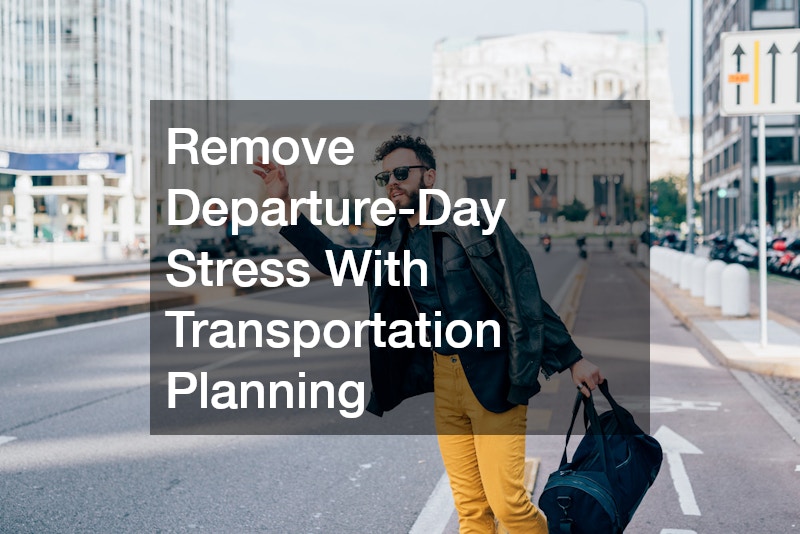
The day you leave should not start with uncertainty. One of the easiest ways to reduce stress is to decide how you’ll get to the airport well in advance. Transportation issues are a common source of last-minute panic, especially when time-sensitive.
Booking an airport transportation service eliminates guesswork around parking, traffic, and timing. It also allows you to focus on yourself rather than logistics during the most vulnerable part of travel day.
When planning transportation:
-
Build in buffer time for traffic
-
Confirm luggage capacity
-
Schedule return transportation too
-
Save driver contact details
Why this works: Starting your trip calmly affects everything that follows. When departure is smooth, your nervous system stays regulated—and that calm energy carries into the rest of your travel experience.
8. Confirm Accommodations So Arrival Is Effortless
Where you stay affects how safe, rested, and confident you feel while traveling. Finalizing your hotel booking early—and confirming details close to departure—prevents unpleasant surprises after a long journey.
Double-check arrival instructions, check-in times, cancellation policies, and amenities you’ll rely on. Save confirmation details offline in case of connectivity issues, and share your itinerary with someone you trust.
Preparation tips include:
-
Choosing locations aligned with your plans
-
Confirming late check-in procedures
-
Reviewing safety features
-
Identifying nearby essentials
Knowing exactly where you’re sleeping removes a major mental load. When arrival logistics are settled, you can focus on being present instead of problem-solving when you’re tired. There’s comfort in having a clear plan after a long day of travel, especially when energy and patience are running low. You’re not deciphering directions, searching for alternatives, or negotiating last-minute changes—you’re simply arriving. That sense of certainty helps your body relax and your mind shift into travel mode, making it easier to settle in, rest, and enjoy what comes next without unnecessary stress.
9. Prepare Technology That Supports You Anywhere
Before leaving:
-
Download maps and confirmations offline
-
Pack charging solutions
-
Enable location sharing if appropriate
-
Review privacy and security settings
Why this matters: Reliable technology reduces dependence on strangers and uncertainty. When your device works seamlessly, you feel more capable navigating unfamiliar places on your own terms.
10. Reduce Daily Decision Fatigue With Food Planning
One overlooked aspect of travel stress is the constant need to decide where and what to eat. While it may seem minor, those repeated decisions add up quickly, especially after a long travel day or a packed itinerary. Researching dining options ahead of time doesn’t eliminate spontaneity—it simply removes pressure when you’re tired, hungry, or short on time. Having a short list of places already vetted allows you to enjoy meals without turning every hunger cue into a decision-making exercise.
Saving one best restaurant per area gives you a reliable fallback when energy is low or plans shift unexpectedly. This approach is especially helpful for dietary needs, time-sensitive schedules, or solo travel, where flexibility matters but mental bandwidth may be limited. Knowing there’s a dependable option nearby can prevent rushed choices or skipped meals, both of which affect mood and energy levels. It also allows you to balance structure with freedom—you can still wander and discover new places, but you’re never starting from zero. That balance keeps food from becoming a stress point and turns it back into what it should be: an enjoyable, nourishing part of the travel experience.
Helpful strategies:
-
Save options by neighborhood
-
Note hours and reservation needs
-
Balance planned meals with flexibility
-
Keep one “easy choice” per day
Stress-free travel isn’t about doing more—it’s about doing the right things at the right time. When your home, responsibilities, and logistics are thoughtfully prepared, travel becomes lighter and more empowering. You leave knowing that what matters most is handled, supported, and secure. Instead of mentally carrying unfinished tasks with you, you’re able to be present wherever you land, whether that’s for work, rest, or exploration.
Preparation isn’t a burden; it’s a gift you give yourself. It creates space for flexibility, joy, and peace of mind, even when plans shift. And when you travel from that place of confidence, every destination feels more accessible—and every return feels easier too.