Showing up to dinner only to be turned away at the door, or worse, stared at all night because you misjudged the vibe, is an avoidable kind of embarrassing. A restaurant’s dress code tells you far more than what to wear; it signals the pace of the evening, the noise level, and whether your kids will feel comfortable or out of place. Taking five minutes to research this before you book saves you from a wasted reservation and a frustrated family. This guide walks you through exactly where to look and what the common terms actually mean in practice.
Decode the Common Dress Code Terms
Restaurants rarely spell out their expectations in plain language, which leaves many diners guessing at what phrases like smart casual or business casual actually require. These labels exist on a sliding scale, and a restaurant’s interpretation can differ significantly from your own assumptions about what counts as polished enough. Understanding the general hierarchy before you call or book helps you ask better questions and avoid showing up underdressed or overdressed.
Think of dress codes as falling into rough tiers, from completely relaxed to strictly formal. Knowing where a restaurant sits on that spectrum lets you plan an outfit that fits the room rather than guessing based on the price of the entrees.
- Casual: jeans, sneakers, and t-shirts are generally fine
- Smart casual: collared shirts, clean shoes, no athletic wear
- Business casual: slacks or skirts, blouses, blazers optional
- Formal or black tie: suits, cocktail dresses, sometimes ties required
- Resort casual: common at hotel restaurants, blending beachwear with polish
Check the Restaurant’s Own Website First
Before you pick up the phone, the restaurant’s own website is usually the fastest and most reliable source for dress expectations. Many establishments list their policy directly on the reservations page or within a frequently asked questions section, especially if they enforce something stricter than average. Looking here first can save you an awkward phone call and gives you something concrete to reference later if there’s ever a dispute at the door.
Pay attention to photos on the website too, since they often reveal more than the written policy does. If every image shows guests in blazers and cocktail dresses, that’s a strong hint even if the text only says smart casual. A mismatch between the photos and the stated policy usually means the real expectation leans toward whatever the pictures show.
- Look under reservations, FAQs, or an about page
- Check photo galleries for recurring clothing patterns
- Note any seasonal exceptions, like relaxed summer patios
- Save a screenshot in case policies change before your visit
Call Ahead When the Policy Is Unclear
Not every restaurant publishes a dress code, and that silence doesn’t necessarily mean anything goes. A quick phone call to the host stand clears up ambiguity far better than guessing, and staff are generally happy to answer since it helps them avoid awkward conversations at the door too. This is especially worth doing if you’re planning a special occasion and don’t want surprises.
When you call, ask specific questions rather than a vague one, since vague questions tend to get vague answers. Mention exactly what you’re considering wearing, such as sandals or jeans, and ask if that would be a problem for the evening you’re booking. This approach gives the host something concrete to respond to instead of forcing them to describe an entire policy from scratch.
- Ask about specific items: jeans, sneakers, shorts, flip-flops
- Confirm whether the policy changes for brunch versus dinner
- Ask if there’s a stricter code for certain sections or private rooms
- Request the policy in writing via text or email if possible
Read Between the Lines on Review Sites
Customer reviews often mention dress code experiences that never made it onto the restaurant’s official page, particularly when someone felt embarrassed or turned away. Searching review platforms for words like attire, dress code, or turned away can surface real stories from recent diners. These firsthand accounts are sometimes more current and accurate than a policy that hasn’t been updated on the website in years.
It also helps to browse the photos other diners have uploaded, since these tend to be unposed and reflect what actual guests wore on an average night. If you notice a wide range of outfits in these photos, the dress code is probably loosely enforced in practice, even if the written policy sounds strict. Comparing a handful of reviews from different months can also reveal whether enforcement is seasonal or inconsistent depending on the shift.
- Search reviews for keywords like attire, dress code, or denied entry
- Check uploaded guest photos for a realistic range of outfits
- Compare older and newer reviews to catch recent policy changes
- Note comments about enforcement varying by day or server
Match the Dress Code to the Occasion You’re Planning
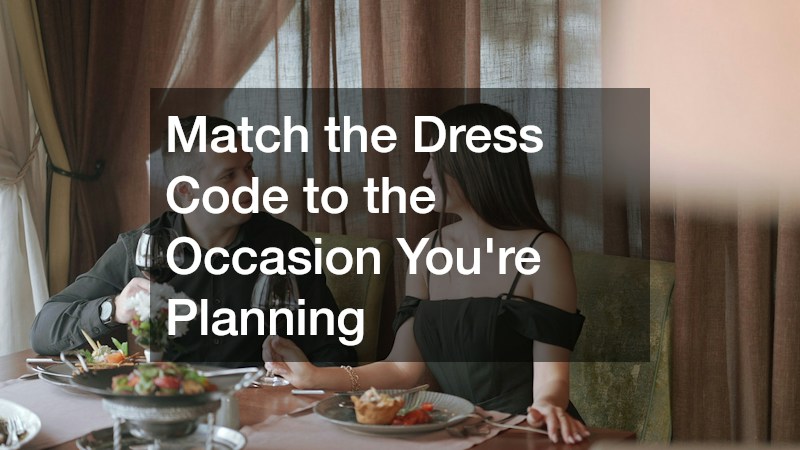
Dress codes matter even more when you’re organizing something specific, like a birthday dinner, an anniversary, or a family reunion meal where everyone’s outfits need to coordinate. If you’re searching through lists of best restaurants for a milestone celebration, cross-reference the dress code with who’s attending, since a toddler in a stroller and a strict jacket-required dining room rarely mix well. Matching the formality level to the actual people at the table prevents the night from feeling stiff or mismatched to the occasion.
It’s also worth considering the practical side of enforcing a dress code across a group, especially when children or teenagers are involved. Kids grow out of dress clothes quickly, and packing a blazer for a toddler just to sit through a two hour dinner isn’t realistic for most families. Choosing a venue with a slightly more relaxed code, even for a special event, often makes the evening smoother for everyone involved.
- Confirm the dress code works for every age group attending
- Ask if children are held to the same standard as adults
- Consider weather and travel time when planning formal outfits
- Have a backup plan if someone in your group is turned away
Plan Your Outfit With Room to Adapt
Even after doing your research, it helps to build some flexibility into what you and your family wear, since policies can be interpreted differently depending on who is working the host stand that night. Layering is useful here, since a blazer or cardigan can be added or removed depending on how formal the room feels once you arrive. Comfortable shoes that still look polished are a safer bet than anything purely casual if there’s any doubt about the code.
Packing a small backup item in the car, like a collared shirt or a pair of dress shoes, can rescue an evening if the host enforces the policy more strictly than expected. This is a particularly smart habit for families traveling to unfamiliar cities where local norms around dress codes might differ from what you’re used to at home. A few extra minutes of preparation goes a long way toward avoiding an uncomfortable scene in front of other diners.
- Bring a layer that can dress an outfit up or down quickly
- Keep a spare collared shirt or pair of shoes in the car for emergencies
- Choose shoes that are comfortable but still presentable
- Avoid logos, slogans, or heavily distressed clothing when unsure
A restaurant’s dress code is a small detail that can make or break an otherwise carefully planned evening, so treat it as a standard part of your booking process rather than an afterthought. Check the website, call ahead when needed, and skim recent reviews before you commit to a reservation. Doing this groundwork takes only a few minutes but spares your family an uncomfortable moment at the door. Next time you’re booking a table for a special occasion, build this quick check into your routine so the only thing you have to think about once you arrive is enjoying the meal.