
The holiday season carries an emotional weight unlike any other time of year. For families, it blends anticipation with nostalgia, joy with pressure, and togetherness with exhaustion. Between school schedules, work responsibilities, financial considerations, and social commitments, it is easy for the season to feel rushed rather than meaningful. When this happens, traditions can begin to feel like obligations instead of sources of connection. Yet family traditions are often what children remember most vividly as they grow older. Long after specific gifts or decorations are forgotten, the emotional tone of the holidays remains. Traditions shape how family members experience belonging, security, and continuity during times of change. They create rhythms that help people feel grounded, especially when life feels busy or uncertain.
Meaningful traditions are not created through perfection or excess. They are built through repetition, intention, and shared participation. The strongest traditions tend to be simple, flexible, and rooted in values rather than appearances. When families focus on how they want the season to feel instead of how it should look, traditions naturally become more sustainable. Creating new traditions does not require replacing old ones. Many families find the greatest success by refining what already exists and adding one or two intentional elements each year. Over time, these additions become familiar and deeply personal. Traditions grow alongside families, evolving as children age and circumstances shift.
The ideas below are designed to help families create holiday traditions that are meaningful, manageable, and emotionally resonant. Each focuses on a different area of family life, offering practical guidance that can be adapted to a wide range of household dynamics. Together, they provide a framework for building traditions that last.
1. Establish a Consistent and Intentional Gift Exchange
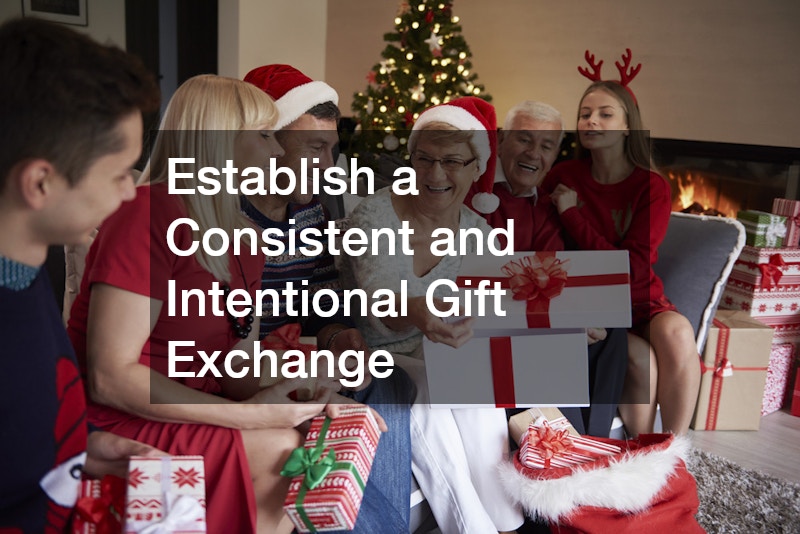
Gift-giving often becomes the most emotionally charged part of the holiday season. Expectations can grow quickly, especially when families feel pressure to keep up with social norms or past years. Without structure, gift exchanges can become overwhelming, expensive, and disconnected from the spirit of togetherness families hope to foster. Creating a consistent gift-giving ritual helps shift the focus from accumulation to meaning. When families decide in advance how gifts will be exchanged, who participates, and what the emphasis will be, the process becomes calmer and more enjoyable. Children benefit from clear expectations, while adults experience less stress and decision fatigue. Many families find that narrowing the focus to one thoughtful exchange allows for deeper connection. Sharing gourmet gifts during a specific holiday moment, such as a family evening or special meal, can transform gift-giving into an experience rather than a transaction. This approach emphasizes savoring time together instead of racing through packages.
Ways to make a gift-giving ritual more meaningful include:
-
Choosing a specific time or day for the exchange
-
Including a reflection on why each gift was chosen
-
Encouraging shared or experiential gifts
-
Keeping the structure consistent from year to year
When gift-giving becomes predictable and intentional, it supports connection rather than competition. Over time, the ritual itself becomes one of the most anticipated parts of the season.
2. Build Traditions Around Shared Beliefs and Values
Traditions carry greater emotional weight when they reflect what a family believes is important. Without a values-based foundation, holiday activities can feel disconnected or hollow. When traditions are anchored in shared beliefs, they provide a sense of purpose that extends beyond the season itself. Values-based traditions help children understand not just what the family does, but why it does it. These moments encourage reflection, gratitude, and awareness of others. They also give adults a chance to slow down and reconnect with what matters most amid holiday busyness. For many families, participation in church-related activities offers a natural framework for reflection and togetherness during the holidays. These traditions often provide continuity from year to year and connect families to a broader community, reinforcing shared values in a tangible way.
Examples of values-centered traditions include:
-
Setting aside time for family reflection or gratitude
-
Participating in service or outreach together
-
Creating quiet moments during busy holiday weeks
-
Revisiting the meaning behind long-standing customs
When traditions are rooted in values rather than schedules or expectations, they remain meaningful even as family structures and routines change.
3. Use Keepsakes to Preserve Family Stories
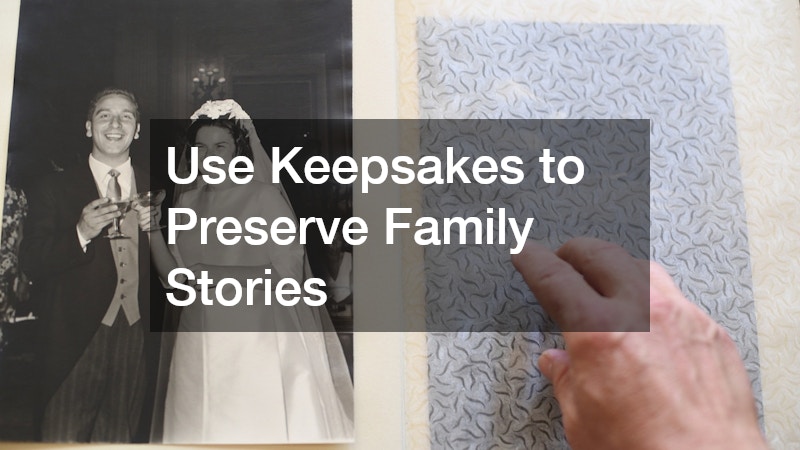
Physical objects often carry emotional significance when they are tied to memory and meaning. Keepsakes serve as tangible reminders of shared experiences, milestones, and growth. When families intentionally create traditions around keepsakes, they preserve stories that might otherwise fade with time. Rather than collecting items randomly, families can establish a ritual of adding one meaningful object each year. This object might represent a challenge overcome, a milestone reached, or a moment worth remembering. Over time, these keepsakes create a visual timeline of family history. Some families choose to work with jewelers to select or design pieces that symbolize connection and continuity. These items often become heirlooms, not because of their monetary value, but because of the stories attached to them.
To make keepsake traditions meaningful:
-
Document the story behind each item
-
Involve children in choosing symbols or designs
-
Revisit past keepsakes during the holidays
-
Explain the significance when passing items down
These traditions encourage storytelling and help younger generations understand their place within the family’s shared narrative.
4. Plan Ahead for Pets as Part of the Family
Pets experience the holiday season differently than humans. Changes in routine, increased visitors, and travel can be stressful for animals if not managed thoughtfully. Including pets in holiday planning helps ensure their needs are met while reducing stress for the entire household. When families treat pet care as a shared responsibility, it becomes an opportunity to teach empathy and planning. Children learn that caring for others requires foresight and consistency, lessons that extend beyond the holidays. Some families build advance planning for local dog boarding into their seasonal routines, making arrangements early and treating it as a predictable step rather than a last-minute scramble. This approach allows families to enjoy travel or gatherings without worry.
Helpful ways to include pets in holiday traditions:
-
Assign age-appropriate pet care tasks
-
Maintain familiar routines whenever possible
-
Plan for quiet spaces during busy gatherings
-
Discuss why preparation matters for animal well-being
By planning ahead, families create a calmer environment that benefits both people and pets.
5. Create a Shared Home Preparation Ritual
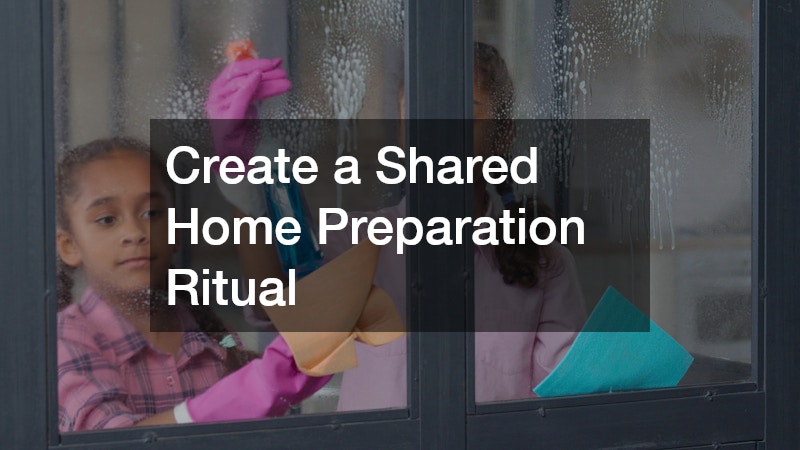
The state of the home often affects how the holidays feel. Clutter and unfinished tasks can add tension to an already busy season. Turning home preparation into a shared ritual helps families feel ready rather than rushed. Instead of relying on last-minute efforts, families can schedule a collective reset that signals the beginning of the holidays. When everyone contributes, the workload feels lighter and the result feels earned. This ritual emphasizes teamwork and shared ownership. Some families choose to work with a cleaning company as part of this preparation, allowing them to focus on organizing and decorating rather than deep cleaning. This decision can make the tradition more sustainable over time.
Ways to build a successful home reset tradition include:
-
Breaking tasks into manageable steps
-
Assigning responsibilities based on age
-
Creating a positive atmosphere with music or food
-
Celebrating completion together
A shared preparation ritual helps families enter the holidays feeling calm, capable, and connected.
6. Commit to One Annual Community Outing
Shared experiences often create stronger memories than material items. A single, recurring community outing gives families something to anticipate each year and reflect on together afterward. Consistency is what transforms an outing into a tradition. The activity does not need to be elaborate or expensive. What matters is that it becomes part of the family’s seasonal rhythm. Children benefit from knowing that certain experiences will return each year. Many families choose to attend local concerts as part of their holiday traditions, pairing the event with a meal or discussion afterward. These shared experiences encourage conversation and connection across generations.
To make a community outing tradition last:
-
Choose an event suitable for all ages
-
Keep the timing consistent each year
-
Limit distractions during the experience
-
Reflect together afterward
Over time, these outings become emotional markers of the season.
7. Introduce Seasonal Adventure to Break Routine
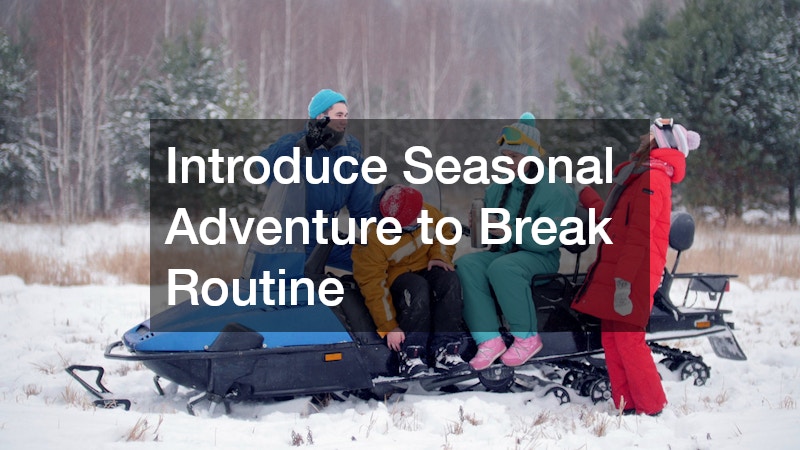
Novel experiences stand out in memory because they break from routine. Introducing a sense of adventure during the holidays can refresh family dynamics and create lasting stories. These experiences encourage cooperation and shared excitement. Adventure does not have to mean risk or intensity. It simply needs to feel different enough to be memorable. Thoughtful planning ensures the experience remains enjoyable for everyone involved. Some families incorporate a snowmobile tour into their holiday traditions, using the experience to explore the outdoors together and create a shared sense of excitement. Activities like this often become highlights that children remember for years.
To keep adventure traditions sustainable:
-
Match activities to comfort and ability levels
-
Prioritize safety and preparation
-
Focus on participation, not performance
-
Allow traditions to evolve as children grow
Adventure-based traditions remind families that growth and joy often come from shared challenges.
8. Establish a Simple and Repeatable Holiday Getaway
Changing scenery can shift family energy in meaningful ways. A short, consistent getaway offers a break from daily responsibilities and creates space for connection. Familiarity often makes these trips more relaxing over time. The key to a successful getaway tradition is simplicity. When expectations are reasonable, the experience feels restorative rather than stressful. Repetition reduces planning fatigue and builds comfort. Many families gravitate toward log cabins for holiday trips because these settings naturally encourage togetherness and slower pacing. Shared meals, quiet evenings, and outdoor activities often become part of the tradition.
Ways to strengthen a getaway tradition include:
-
Returning to the same type of location
-
Creating location-specific rituals
-
Limiting scheduled activities
-
Prioritizing rest and conversation
These trips often become emotional anchors during the holiday season.
9. Include Older Family Members With Intention
The holidays offer a powerful opportunity to strengthen intergenerational bonds. Including older family members in traditions reinforces continuity and shared history. These connections enrich the experience for everyone involved. Intentional inclusion requires planning and sensitivity. Activities may need to be adapted for comfort, but the emotional benefits are significant. Children gain perspective, empathy, and a deeper understanding of family legacy. Some families build traditions around visiting a local assisted living facility, whether to see relatives or participate in seasonal events. These visits often become meaningful moments of connection and reflection.
Ways to make inclusion meaningful:
-
Choose activities that encourage conversation
-
Prepare children with context and expectations
-
Focus on presence rather than entertainment
-
Honor stories and experiences shared
These traditions help families appreciate the full span of their shared history.
10. Use Atmosphere to Mark the Beginning of the Season
Sensory cues play a powerful role in emotional transitions. Creating a clear moment when the holidays begin helps families shift mindset and pace. This transition signals that the season is special and intentional. Rather than decorating gradually, families can create a designated time to prepare the home together. This moment becomes a tradition in itself, reinforcing anticipation and participation. Some families build traditions around lighting design, using consistent colors or arrangements each year to create a familiar and comforting environment. These visual cues quickly signal the season’s arrival.
Ideas for atmosphere-based traditions include:
-
Scheduling a specific setup day
-
Assigning roles to each family member
-
Pairing decorating with music or food
-
Creating a clear start and end ritual
These practices help the holidays feel purposeful rather than rushed.
Meaningful family traditions are not built overnight. They develop through intention, consistency, and a willingness to adapt as families grow and change. The most enduring traditions are those that reflect shared values and prioritize connection over perfection. The holiday season provides a unique opportunity to strengthen bonds and create emotional anchors that last well beyond the calendar year. These moments shape how families remember the season and one another. Rather than attempting to do everything at once, families benefit from choosing one or two traditions to build intentionally. Over time, these practices grow naturally and become part of the family’s identity. When approached thoughtfully, holiday traditions become sources of comfort, belonging, and joy. They remind families that what matters most is not how much is done, but how deeply it is shared.