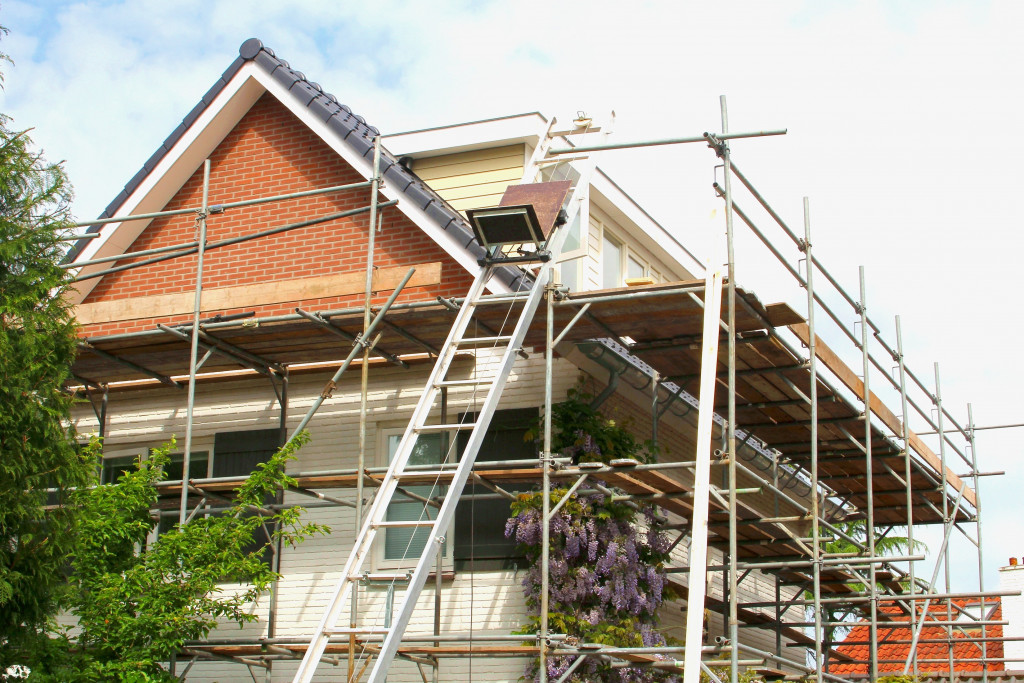
A truly safe and clean home doesn’t happen by accident, it comes from paying attention to the systems and spaces you rely on every day but rarely think about. From the air you breathe to the water you drink, small maintenance decisions add up to big differences in your family’s health and comfort. Many homeowners only address these issues after something breaks or a health concern arises, but a proactive approach can prevent costly repairs and protect the people you care about most. This guide walks through the key areas of your home that deserve regular attention, so you can make informed choices instead of reactive ones.
Understanding Your Home’s Air Quality

The air circulating through your home carries dust, pollen, pet dander, mold spores, and other particles that can affect everyone from toddlers to grandparents. In fact, the EPA notes that indoor air can be two to five times more polluted than outdoor air, largely because contaminants get trapped and recirculated instead of dispersing. Most people don’t realize how much indoor air quality depends on something as simple as a clean filter.
Over time, filters become clogged and less effective, which forces your HVAC system to work harder while allowing more contaminants to circulate. A standard fiberglass filter might only need replacing every 30 days, while a pleated filter can often last up to 90 days, depending on household factors like pets or allergies. Filters are also rated by MERV (Minimum Efficiency Reporting Value), and choosing one between MERV 8 and MERV 13 typically offers a good balance of filtration power without straining your system.
Beyond the filter itself, it’s worth considering other contributors to air quality, such as humidity levels, ventilation, and the presence of household chemicals or air fresheners that release volatile organic compounds (VOCs). Keeping indoor humidity between 30% and 50% can help discourage mold growth and dust mites, both common triggers for respiratory issues. Small, consistent habits—like changing filters on schedule and airing out rooms regularly—can make a noticeable difference in the air your family breathes every day.
Replacing air filters on a consistent schedule is one of the easiest ways to improve the air your family breathes every day. Standard fiberglass filters are the least expensive option, but they typically need swapping every 30 days since they capture only larger particles like dust and lint.
Pleated filters usually last 60 to 90 days and offer a higher MERV rating, meaning they trap smaller particles such as pollen and mold spores. HEPA-style filters can go three to six months between changes, though homes with pets, smokers, or allergy sufferers may need to replace them sooner.
Knowing what type is installed in your system helps you set a realistic reminder—many families mark it on a calendar or tie it to the start of each season. A quick check of the filter’s edge often shows the MERV rating and recommended replacement interval printed right on the frame.
- Check filters monthly during high-use seasons like summer and winter, and every 60-90 days otherwise
- Choose a MERV rating appropriate for your household’s needs — MERV 8 works for most homes, while MERV 11-13 captures more allergens, pet dander, and pollen
- Keep spares on hand in the correct size so replacement never gets delayed by a last-minute store run
- Note your HVAC filter size (printed on the current filter’s edge) before buying replacements to avoid mismatches
- Mark your calendar or set a recurring phone reminder to stay consistent
- Consider a basic indoor air quality monitor to track dust, humidity, and VOC levels between filter changes
Keeping Your Ductwork Clean
Even with clean filters, the ducts that carry air throughout your house can accumulate dust, debris, and even mold over years of use. This buildup doesn’t just affect air quality, it can also reduce the efficiency of your entire heating and cooling system. Many homeowners are surprised at how much material collects inside ducts that are otherwise out of sight and out of mind.
Hiring a qualified air duct cleaning contractor every few years can make a noticeable difference, particularly in older homes or those with pets. A thorough inspection often reveals problems like disconnected sections or excessive dust that a homeowner would never spot on their own. This kind of service pairs well with regular filter changes to keep your whole system running cleanly.
Ensuring Safe Drinking Water

Water quality varies significantly depending on where you live, the age of your plumbing, and even the season. Municipal water is treated to meet safety standards, but that doesn’t mean it’s free of taste issues, chlorine byproducts, or trace contaminants that concern many families. Testing your water periodically gives you a clear picture of what’s actually coming out of your tap.
Installing water filters at the point of use, whether under the sink or at the main line, is a practical way to address specific concerns like sediment, lead, or chlorine taste. Different filtration technologies target different contaminants, so it’s worth understanding what your household actually needs before purchasing a system.
- Carbon filters improve taste and reduce chlorine
- Reverse osmosis systems remove a broader range of contaminants
- Whole-house filters protect plumbing fixtures and appliances too
- Regular filter replacement is essential for continued effectiveness
Staying Warm Without Unexpected Surprises
A functioning heating system is more than a comfort issue, it’s a safety necessity during colder months. Furnaces and heat pumps that aren’t properly maintained can develop issues ranging from reduced efficiency to carbon monoxide risks. Annual inspections catch small problems before they turn into no-heat emergencies on the coldest night of the year.
Scheduling heating repair at the first sign of trouble, such as strange noises, uneven heating, or rising energy bills, can save you from a complete system breakdown later. Waiting too long often turns a simple fix into a major replacement, so it pays to address concerns promptly rather than hoping they resolve on their own.
Preventing Plumbing Emergencies Before They Start
Plumbing problems rarely stay small. A minor drip today can become a burst pipe or water damage situation down the road if left unaddressed, and even a faucet leaking one drop per second can waste over 3,000 gallons a year. Homeowners often wait until there’s an obvious leak, but early warning signs like slow drains, unusual sounds, or fluctuating water pressure deserve attention too.
Gurgling noises from drains or toilets often signal a partial blockage building in the pipes, while a sudden drop in water pressure can point to sediment buildup, a hidden leak, or aging supply lines. Discoloured water, especially rust-coloured tap water, may indicate corroding pipes that need inspection before they fail outright. Setting a habit of checking under sinks, around water heaters, and near exposed pipes every few months can catch small issues, like a loose fitting or slight moisture, before they turn into costly repairs.
Building a relationship with a reliable local plumbing service means you have someone to call before a small issue becomes an emergency. Rather than searching frantically for help when a pipe bursts at midnight, you’ll already have a trusted professional who knows your home’s history and can respond quickly when something goes wrong.
Routine inspections of pipes, water heaters, and fixtures can identify wear and corrosion long before they cause a failure. A qualified plumber can spot early warning signs like slow drains, unusual water pressure changes, small leaks under sinks, or rust-colored water that often signal bigger problems ahead. Most experts recommend a professional plumbing checkup once a year, with water heaters specifically benefiting from flushing every 6 to 12 months to remove sediment buildup that shortens their lifespan.
This kind of preventive care is especially valuable in older homes where original plumbing may be decades old. Galvanized steel pipes, common in homes built before the 1960s, are particularly prone to internal corrosion that restricts water flow and eventually leads to leaks. Homeowners can also help by knowing where their main water shutoff valve is located and testing it periodically, so a quick response is possible if an emergency does occur despite preventive efforts.
- Watch for water stains, yellowish rings, or bubbling paint on ceilings and walls, especially below bathrooms
- Listen for gurgling drains or slow drainage, both signs of potential blockages forming in your pipes
- Check under sinks and around toilet bases monthly for hidden slow leaks, dampness, or mold odors
- Inspect exposed pipes in basements and crawl spaces for corrosion, rust spots, or mineral buildup
- Note any sudden spikes in your water bill, which often signal a hidden leak somewhere in the system
- Know where your main water shutoff valve is located, and make sure every family member knows how to turn it off
- Test your shutoff valve once a year to ensure it isn’t stuck or corroded when you actually need it
Protecting Your Home From the Top Down
Your roof is your home’s first line of defense against weather, and small issues can escalate quickly if ignored. Missing shingles, sagging areas, or granules collecting in gutters are all signs that roof repairs may be needed sooner rather than later. Catching these problems early often means the difference between a simple patch and a full replacement.
Working with an experienced roofer for an annual inspection is one of the smartest investments a homeowner can make. A professional can spot flashing issues, ventilation problems, or early signs of water intrusion that aren’t visible from the ground. Regular checkups also help you plan financially for future repairs instead of facing a sudden emergency after a storm.
The Hidden Dangers Above Your Ceiling
Attics are often neglected simply because they’re hard to access, but this out-of-sight space can harbor real risks. Dust, rodent droppings, insulation debris, and poor ventilation all contribute to air quality problems that eventually make their way into the rest of the house. Periodic attic cleaning helps remove these contaminants and gives you a chance to spot issues like moisture damage or pest activity.
Older homes present an additional concern, since attics sometimes contain insulation or building materials that include asbestos. This mineral was commonly used for decades before its health risks were fully understood, and disturbing it without proper precautions can release dangerous fibers into the air. If you suspect older materials in your attic, professional asbestos removal is the only safe way to handle it, since improper handling can create far greater exposure risk than leaving it undisturbed.
- Never attempt to remove suspected asbestos materials yourself
- Look for signs of pest activity or water stains during inspections
- Ensure proper attic ventilation to reduce moisture buildup
- Schedule professional testing if your home was built before the 1980s
Caring for Fabrics and Soft Furnishings
Curtains, drapes, and upholstered furniture trap dust, allergens, and odors just like carpets do, yet they’re often overlooked during regular cleaning routines. Over time, heavy fabrics can hold onto pollutants that affect indoor air quality, especially in rooms with limited ventilation. Regular vacuuming helps, but it doesn’t remove everything embedded deep in the fibers.
A professional drapery cleaning service can safely handle delicate fabrics, linings, and pleating that shouldn’t go through a standard washing machine. This kind of periodic deep cleaning extends the life of your window treatments while also improving the air quality in the rooms where they hang. It’s a simple step that’s easy to forget but makes a noticeable difference in a home’s overall freshness.
Building a Seasonal Maintenance Routine

Consistency is the real secret to a safe and clean home. Rather than tackling everything at once, spreading tasks across the seasons keeps maintenance manageable and prevents things from piling up into a single overwhelming weekend. A simple checklist tied to the calendar makes it much easier to stay on top of every system in your house, from HVAC filters to smoke detector batteries.
Spring is a natural time to inspect your roof and gutters for winter damage, check the exterior for cracks or pest entry points, and swap out your furnace filter before switching over to air conditioning. It’s also a good moment to test sump pumps and clear drainage areas ahead of heavier rains.
Summer maintenance can focus on outdoor safety: cleaning dryer vents, checking deck or patio structures for loose boards, and servicing your AC unit so it runs efficiently during peak heat. This is also when many families deep-clean carpets and upholstery, since kids and pets tend to track in more dirt.
As fall arrives, prioritize chimney and fireplace inspections, weatherstripping around doors and windows, and testing heating systems before the cold sets in. Replacing batteries in smoke and carbon monoxide detectors twice a year — spring and fall are easy to remember — adds an extra layer of protection.
Winter tasks lean toward monitoring for ice dams, insulating exposed pipes to prevent freezing, and keeping walkways salted or cleared to avoid falls. Breaking these responsibilities into four manageable batches, rather than one long annual list, makes it far more likely they’ll actually get done.
- Spring: inspect the roof for missing or curled shingles, and check attic ventilation and insulation after winter weather to prevent moisture buildup
- Spring: clear gutters and downspouts of debris to protect siding and foundation from water damage
- Summer: test air conditioning performance, including filter changes every 1-3 months, and check water quality for mineral buildup or contaminants
- Summer: inspect outdoor faucets, hoses, and irrigation systems for leaks during peak usage months
- Fall: prepare heating systems with a professional furnace inspection and clean fabrics like curtains, rugs, and upholstery before closing windows for winter
- Fall: check weatherstripping around doors and windows to seal gaps before cold weather arrives
- Winter: monitor plumbing for freezing risks by insulating exposed pipes and knowing the location of the main water shutoff
- Winter: watch for drafts near windows, doors, and outlets, and test carbon monoxide detectors as heating systems run more frequently
Creating a Family Safety Checklist
Beyond mechanical systems, a truly safe home depends on habits that everyone in the household follows. Simple routines like testing smoke detectors, checking carbon monoxide alarms, and keeping walkways clear can prevent accidents before they happen. Involving the whole family, including older children, helps build awareness and shared responsibility for the home’s safety.
Documenting when maintenance tasks were last completed, whether it’s a filter change or a professional inspection, creates a helpful record for future reference. This kind of simple tracking makes it easier to spot patterns, plan budgets, and know exactly when the next service is due.
Creating a safe, clean home environment isn’t about one single fix, it’s about paying steady attention to the systems that support your family’s daily life. By staying ahead of air quality, water safety, heating performance, plumbing health, and structural maintenance, you reduce the chances of costly surprises and protect the people you love. Start with one or two areas that concern you most, build a simple maintenance schedule, and expand from there. Small, consistent efforts today lead to a healthier, more secure home for years to come.